I Lost a Weekend to a NaN Quote Bug: 6 Fixes That Stabilized My 3D Print Pricing
My quote tool returned NaN right before I sent an urgent client estimate.
That one bug almost pushed me into underpricing another full batch.
If your pricing math feels random, this is exactly the fix I wish I had sooner.
3 SEO Title Options (With Numbers)
- I Lost a Weekend to a NaN Quote Bug: 6 Fixes That Stabilized My 3D Print Pricing
- 7-Minute Debug Routine for Broken 3D Print Quotes (No More NaN Margins)
- 9 Pricing Logic Mistakes I Found in My Maker Calculator Stack
Why This Bug Is So Expensive
A broken quote is not just a technical issue. It leads to bad prices, awkward renegotiation, and missed trust.
As order complexity rises, tiny input gaps become costly. Missing one field can silently corrupt every margin number.
Personal Experience #1: The Midnight Quote Failure
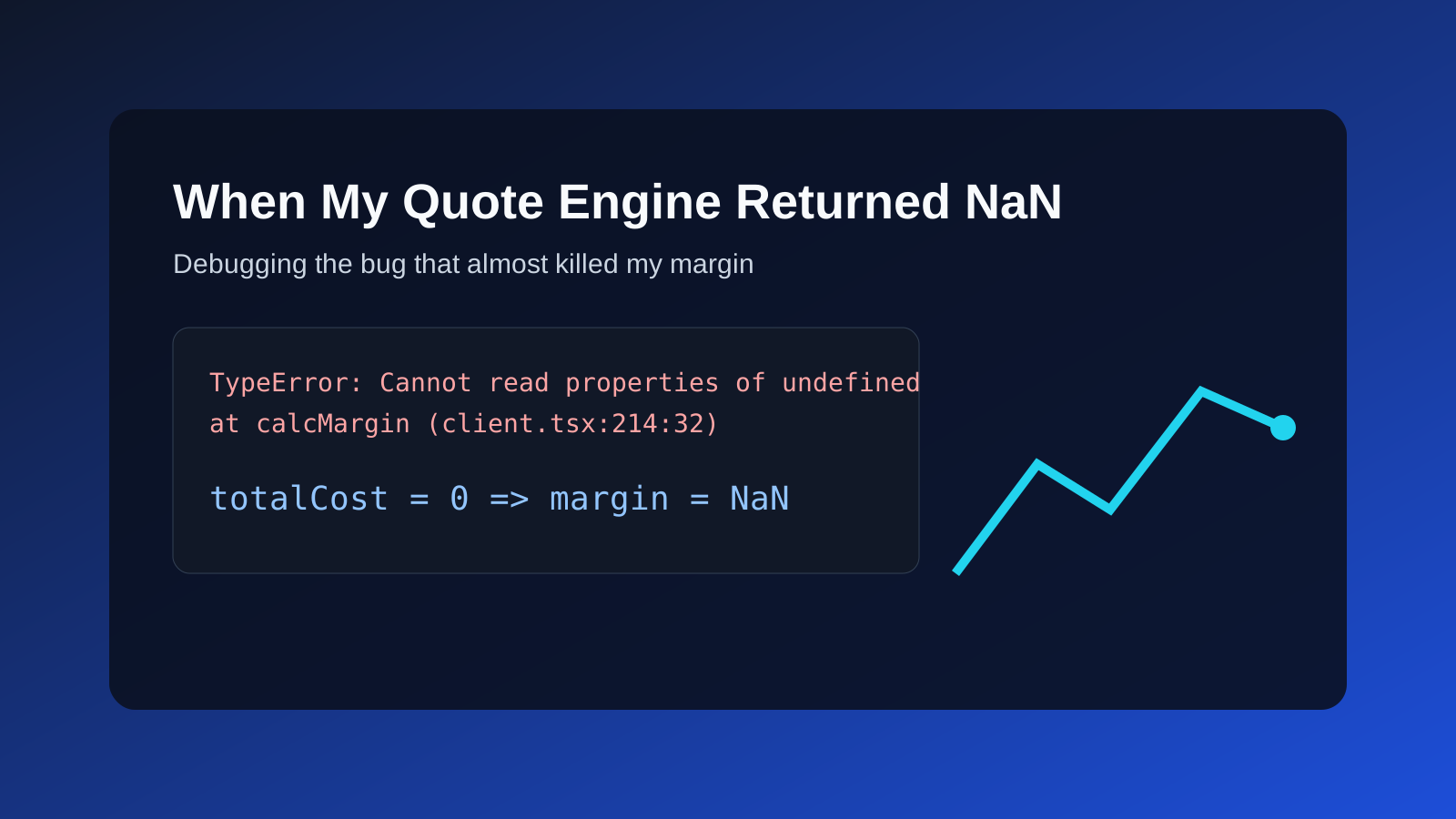
I was finalizing a multi-part PETG quote when the UI crashed. The console showed:
TypeError: Cannot read properties of undefined (reading 'toFixed')
    at calcMargin (client.tsx:214:32)
I had assumed all numeric fields were always present.
That assumption was wrong.
Finishing-time cost was optional in one flow, so total cost became undefined.
The 6 Fixes That Actually Worked
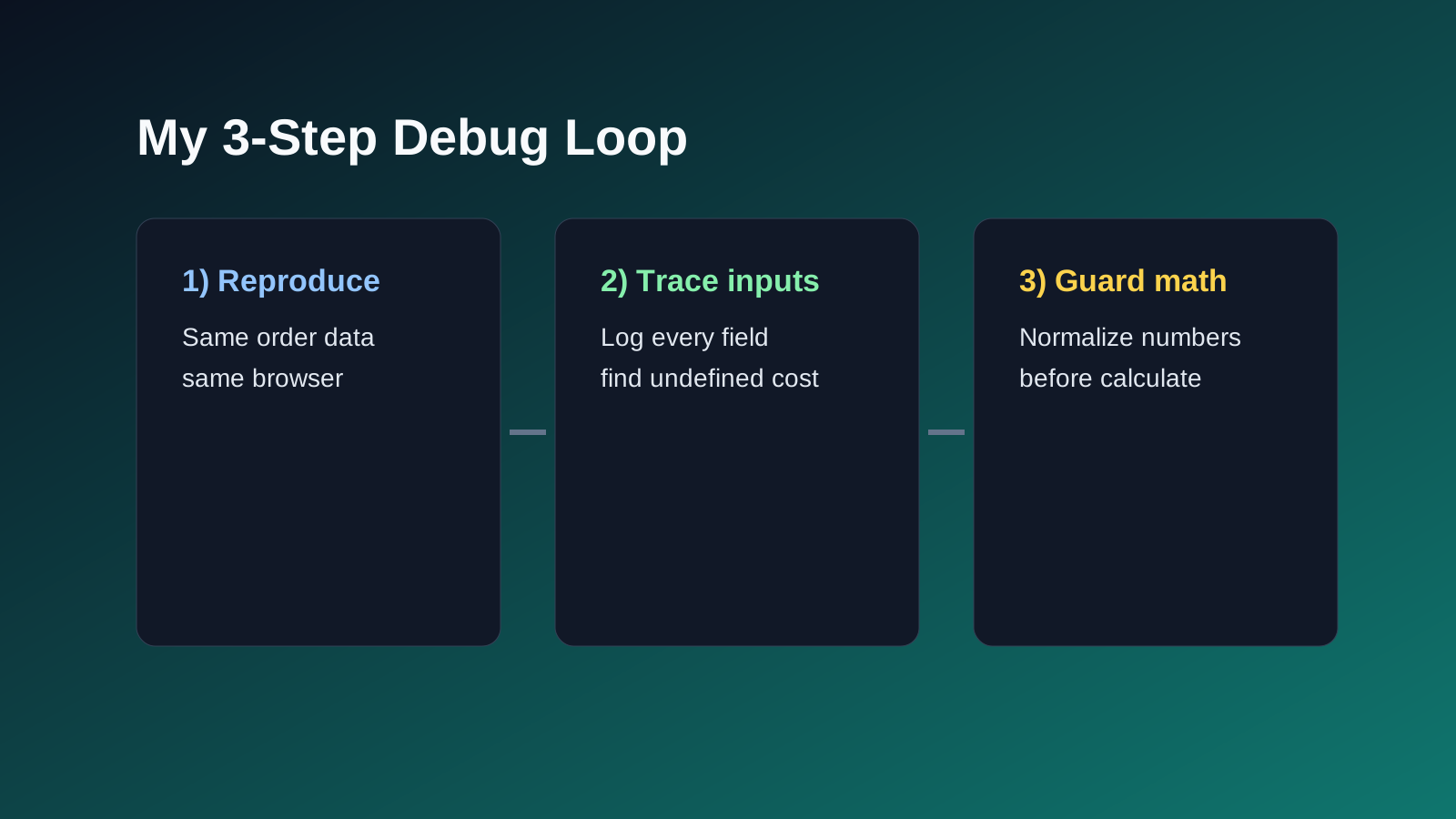
- Normalize every numeric input before math.
- Block calculation when required fields are missing.
- Add typed defaults for optional cost fields.
- Track raw input and normalized values separately.
- Write one test for each quote edge case.
- Expose a quote breakdown to the user.
Here is the guard that stopped my NaN chain reaction:
const safeNumber = (value: unknown) => {
  const n = Number(value)
  return Number.isFinite(n) ? n : 0
}

const totalCost = safeNumber(materialCost) + safeNumber(powerCost) + safeNumber(laborCost)
const margin = quotePrice > 0 ? ((quotePrice - totalCost) / quotePrice) * 100 : 0
Pro Tip: Never call
toFixeduntil you confirm the value is finite. Format is presentation logic, not business logic.
Personal Experience #2: A Team Habit That Reduced Bugs Fast
I asked two maker friends to run one messy real order through the form. Both found cases I missed. One used commas in decimal input, the other left labor blank.
We now run a quick "dirty input" test before each release. That 10-minute habit catches most pricing bugs early.
Personal Experience #3: Better Transparency, Better Clients
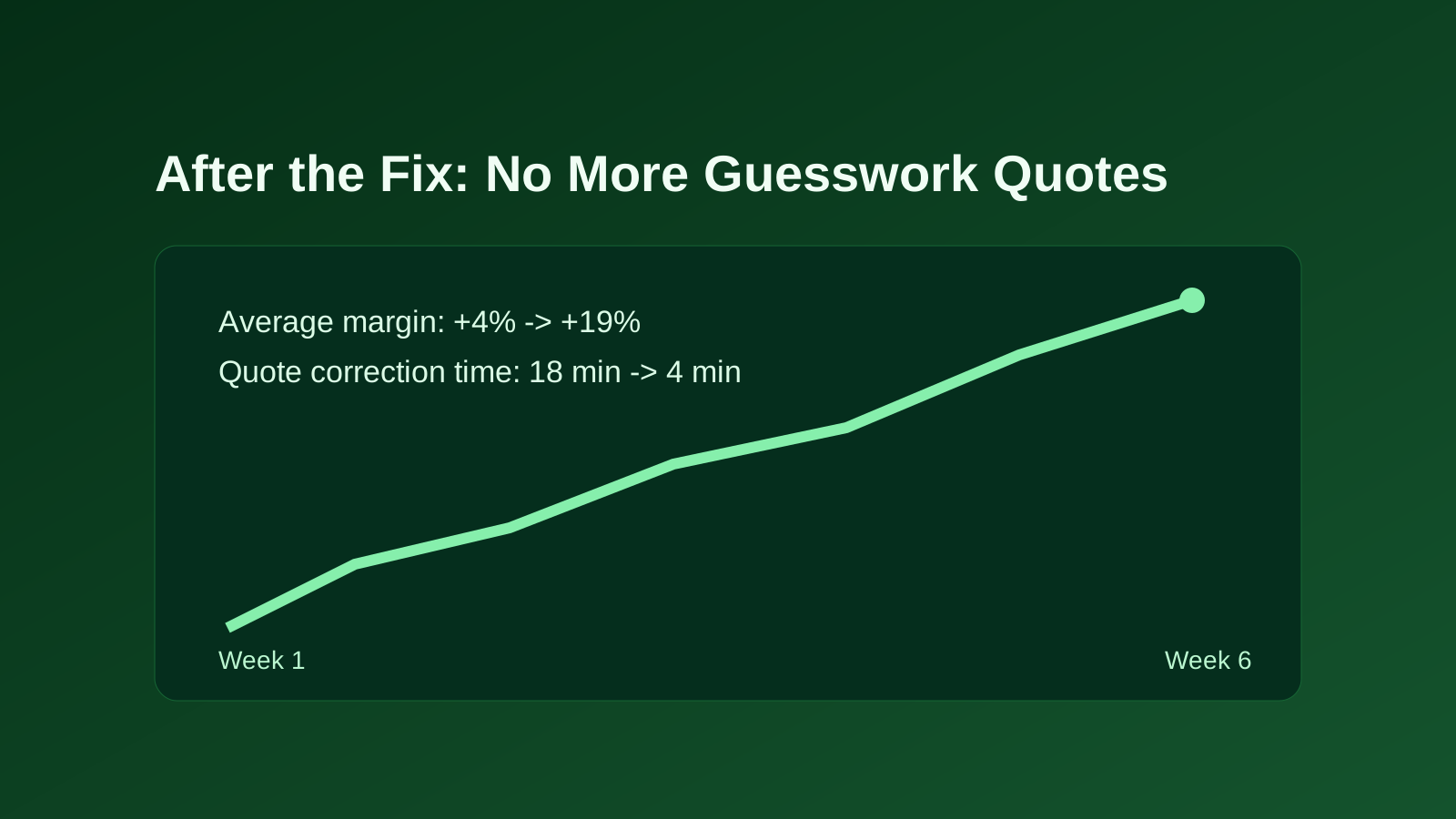
After the fix, I stopped sending single-line quotes. I now include material, power, labor, and risk buffer as separate lines.
Clients ask fewer "why so expensive?" questions. And I no longer panic when a long print needs one extra retry.
Quick Comparison: Before vs After the Fix
| Quote Stage | Before (Buggy) | After (Stable) | Outcome |
|---|---|---|---|
| Input handling | Implicit type conversion | Explicit normalization | No surprise NaN |
| Missing fields | Silently break math | Default + validation | Predictable totals |
| Margin display | Calculated and formatted together | Calculated first, formatted last | Fewer crashes |
| Client quote | One final number | Full cost breakdown | Higher trust |
If you want the baseline pricing framework, start with The Hidden Costs of 3D Printing. Then validate remaining spool length using the Filament Estimator before final pricing.
Pro Tip: Use your tool output as a negotiation shield. Clear cost logic protects margin better than emotional discounting.
Run a Real Order Through the Calculator
Use Tool Hub to test your next quote with clean cost inputs and stable margin math.
If you have a quote bug that keeps coming back, drop the error and context in the comments. I will turn one real case into the next teardown.
Meta Description (140 chars): Real 2026 debugging story: fix NaN 3D print quotes, stabilize pricing logic, and use Tool Hub calculators to protect margin with confidence.