7 Layout Mistakes Wasting Cosplay Fabric in 2026 (How I Fixed Mine)
I used to lose money before I even touched the heat gun. One wrong cut on Worbla or EVA foam and I had to buy another sheet. If your floor is full of expensive scraps, this post is for you.

3 SEO Title Options (With Numbers)
- 7 Layout Mistakes Wasting Cosplay Fabric in 2026 (How I Fixed Mine)
- 5-Minute Cosplay Pattern Workflow That Cut My Material Waste by Half
- 9 Cosplay Budget Leaks I Found While Building Armor Sets
Why This Problem Keeps Showing Up
Most cosplayers still place pattern pieces by eye. I did that for years. It felt fast, but it was expensive.
When I started tracking scraps, the pattern was obvious. The "quick" layout habit was burning budget every single build.
Personal Experience #1: My Guangzhou Midnight Mistake
I was finishing a chest plate the night before a photoshoot. I rotated one key piece to squeeze it in. It looked efficient.
After shaping, the texture direction looked wrong and the piece warped differently. I had to recut from a fresh sheet at 1 AM. That was the moment I stopped trusting pure intuition.
Pro Tip: If your material has direction (grain, stretch, texture), lock rotation before optimization. Cheap layout wins can create expensive finishing problems.
The Debugging Error That Changed My Workflow
When I first tested my layout helper, it crashed with:
RangeError: Invalid array length
    at placePieces (bin-pack.ts:87:18)
I spent one full evening chasing this. The bug was a unit mismatch. Some pattern pieces were in millimeters, others were in centimeters.
My debug process was simple:
- Re-run the same input with piece-by-piece logs.
- Print each dimension after unit normalization.
- Fail fast when values are outside the sheet bounds.
That fix made the optimizer stable enough for real builds.
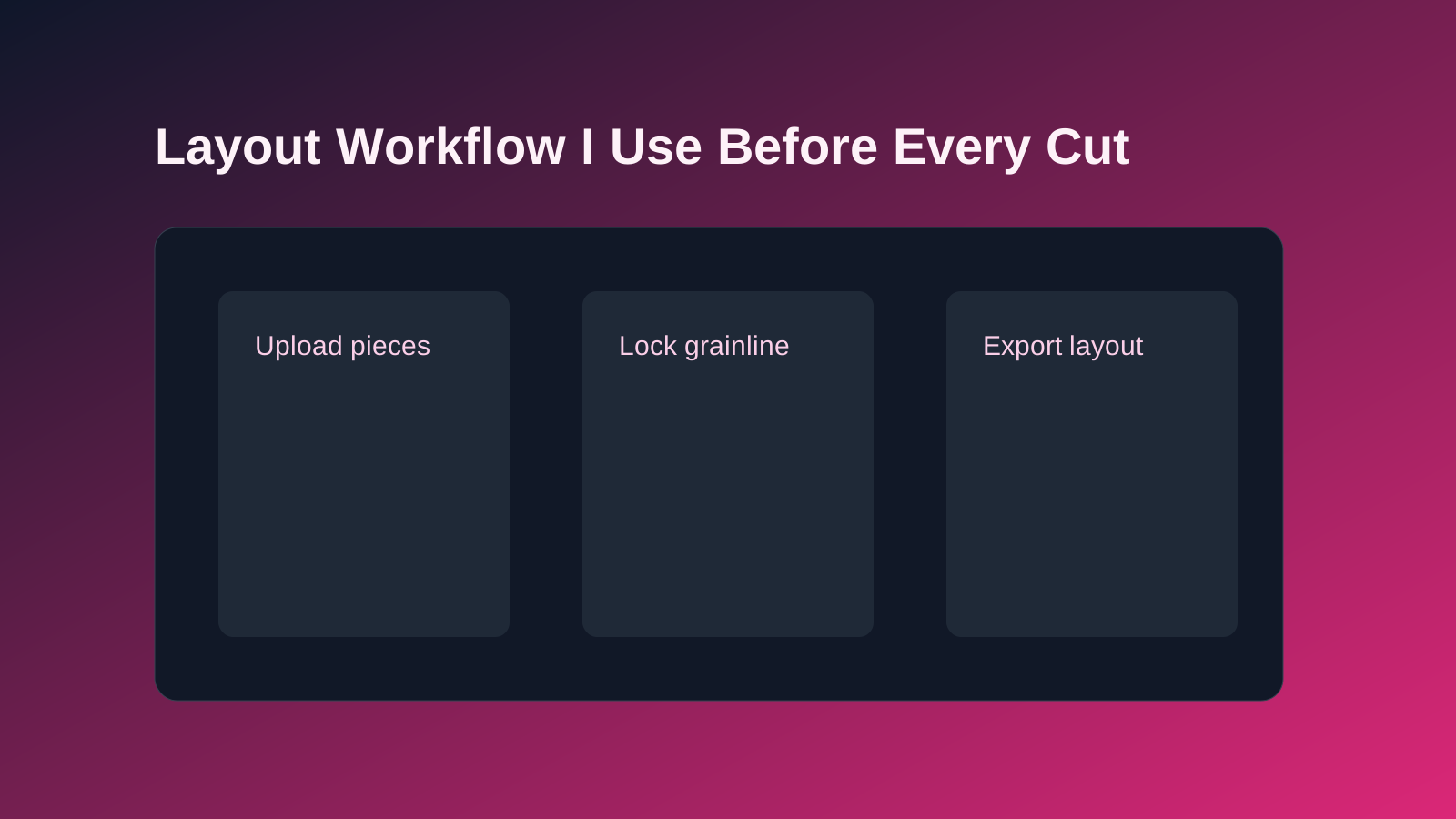
Personal Experience #2: The Build That Finally Stayed on Budget
I used the Cosplay Fabric Bin Packing Tool for a shoulder armor set with many odd curves. The tool found placements I would never try manually.
I finished with one large leftover panel that became a matching accessory. For once, I ended the project with useful material still on the table.
Personal Experience #3: Why I Now Quote Material Before Committing
A client asked for a rush prop set with aggressive deadlines. Before saying yes, I ran layout first, then checked total material and finish effort.
I paired that with the 3D Print Cost Calculator for printed connector parts. The quote was honest, and the job stayed profitable.
Pro Tip: Keep a reusable template by costume type. Your second layout is usually twice as fast if you start from a known piece library.
Manual Layout vs Optimized Layout
| Planning Step | Manual Habit | Optimized Workflow | Result |
|---|---|---|---|
| Piece placement | Move pieces by eye | Auto-pack with locked constraints | Less scrap |
| Orientation control | Forget stretch direction | Lock grain/nap-sensitive parts | Cleaner final look |
| Estimate time | Guess based on feeling | Preview fit before cutting | Fewer recuts |
| Budgeting | Buy extra "just in case" | Use measured area and margin buffer | Lower spend |
For a broader pricing strategy, I also recommend 9 Fixes to Stop Margin Leaks in 2026 Maker Shops. It pairs well with this layout workflow.
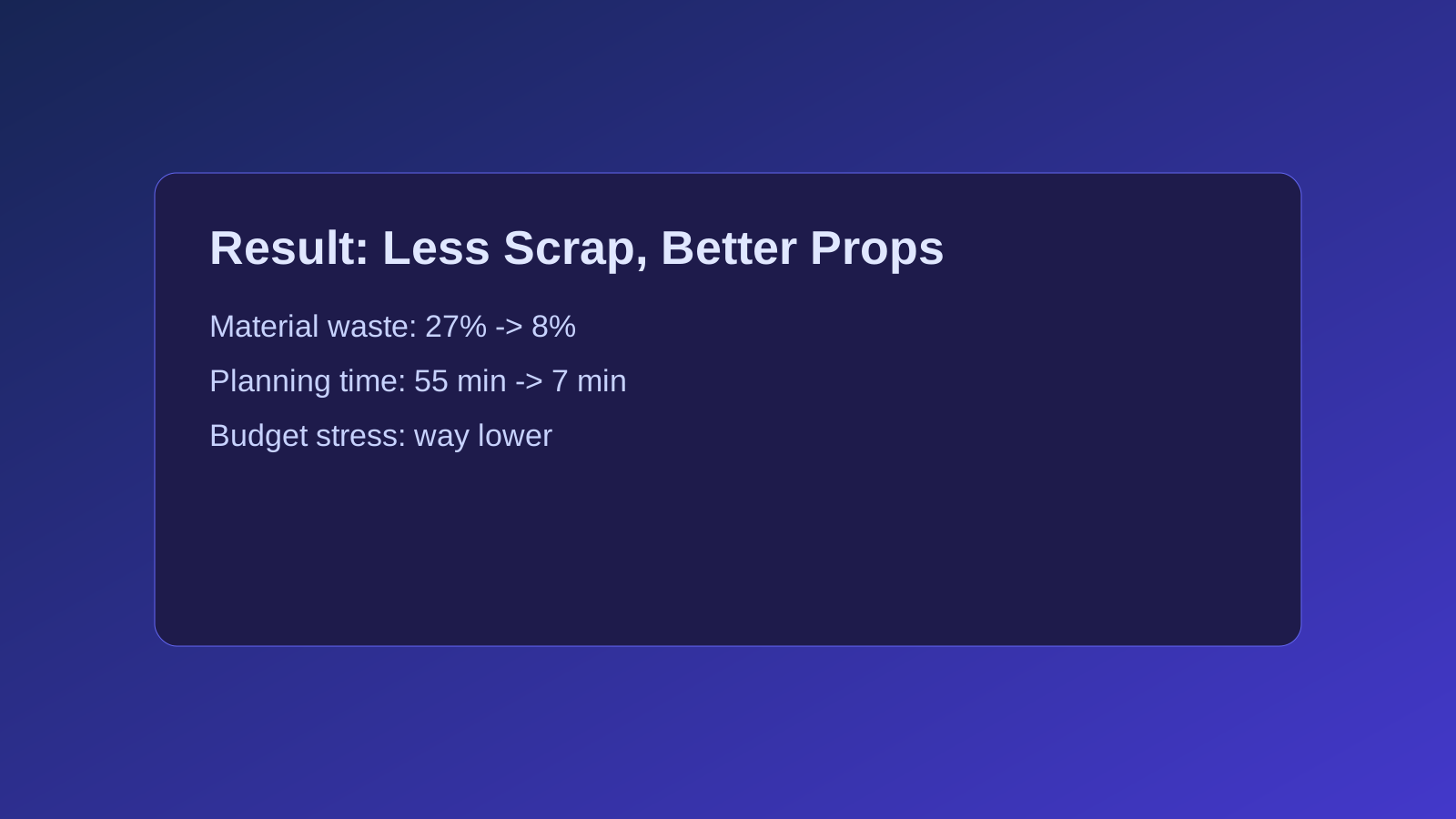
Plan Your Next Cosplay Cut in Minutes
Drop in your sheet size and pattern pieces, then get a tighter layout before you touch your material.
If you want, share your hardest pattern shape in the comments. I can turn it into a real optimization walkthrough.
Meta Description (140 chars): Cosplay fabric guide for 2026: fix 7 costly layout mistakes, debug unit errors, and use Tool Hub to cut waste and keep builds on budget now.